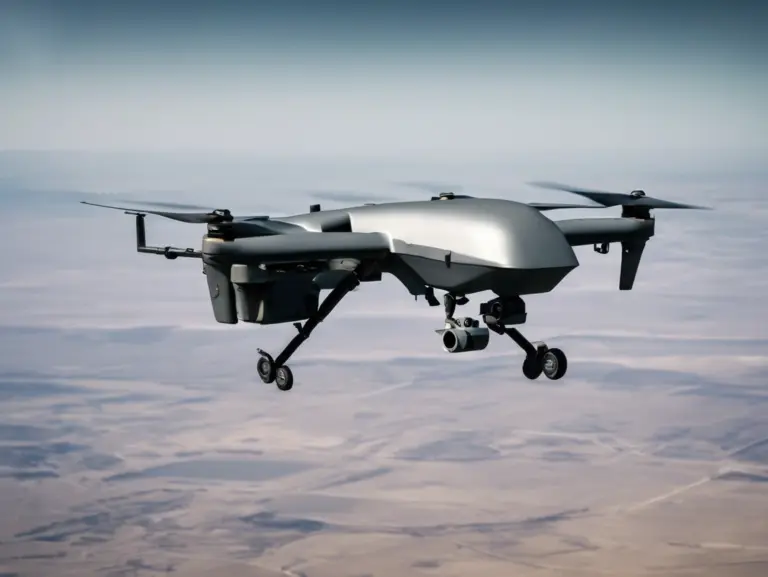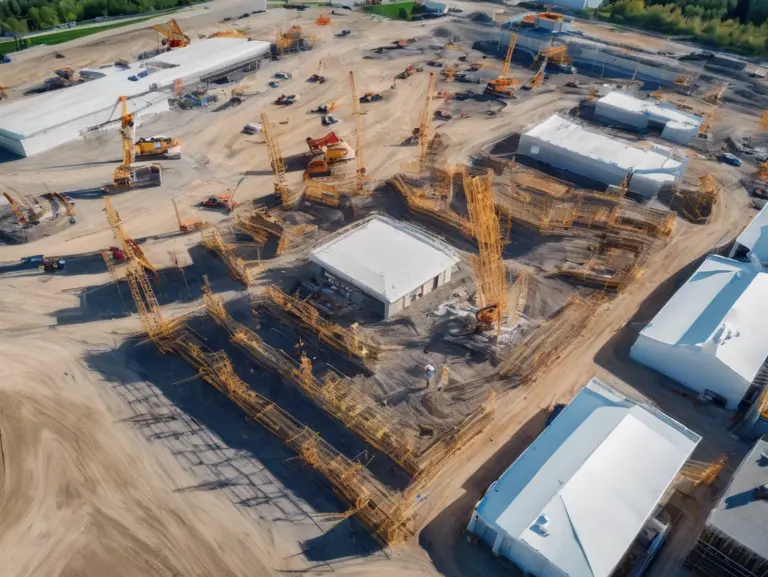

Police drones, also known as law enforcement drones, are increasingly used by police departments to enhance public safety and improve operational efficiency. Here are the main features of police drones:
1. Surveillance and Monitoring
- High-resolution Cameras: Equipped with optical and infrared cameras for detailed imagery and video, useful for monitoring large areas and gathering evidence.
- Night Vision: Infrared and thermal imaging capabilities allow for effective surveillance during nighttime operations.
- Live Streaming: Real-time video streaming to command centers for immediate situational awareness.
2. Search and Rescue
- Thermal Imaging: Helps locate missing persons or suspects in difficult terrain or low-visibility conditions.
- GPS Tracking: Provides precise location data to assist in search and rescue missions.
3. Crowd Control and Public Safety
- Aerial Monitoring: Drones can monitor large crowds during events, protests, or public gatherings to ensure safety and manage potential disturbances.
- Loudspeakers: Some drones are equipped with loudspeakers to communicate with crowds or individuals from a distance.
4. Crime Scene Investigation
- 3D Mapping: Creates detailed 3D maps of crime scenes for thorough investigation and documentation.
- Evidence Collection: Captures high-resolution images and videos that can be used as evidence in investigations and court proceedings.
5. Traffic Management
- Traffic Monitoring: Drones can monitor traffic flow, identify accidents, and assist in managing congestion.
- Accident Investigation: Provides aerial views of accident scenes for better assessment and documentation.
6. Tactical Operations
- Reconnaissance: Provides real-time intelligence and situational awareness during tactical operations, such as SWAT missions.
- Distraction and Diversion: Can be used to distract or divert suspects during operations.
7. Environmental Monitoring
- Hazard Detection: Detects environmental hazards such as chemical spills, fires, or gas leaks.
- Disaster Response: Assists in assessing damage and coordinating response efforts during natural disasters.
8. Communication and Coordination
- Data Link Systems: Secure and robust data links for real-time communication with ground control stations and other units.
- Interoperability: Integrates with other law enforcement systems for coordinated operations.
9. Cost Efficiency
- Reduced Operational Costs: Generally cheaper to operate and maintain compared to manned aircraft.
- Minimized Risk: Reduces the risk to human officers by performing dangerous tasks remotely.
10. Versatility and Adaptability
- Modular Design: Allows for quick reconfiguration for different missions (e.g., surveillance, search and rescue, traffic management).
- Multi-role Capabilities: Can perform a variety of roles depending on mission requirements.
Police drones are valuable tools that enhance the capabilities of law enforcement agencies, providing innovative solutions to traditional challenges and improving public safety. If you have any specific questions or need further details on any of these features, feel free to ask!